

Changing Conservatory Door Handles
Most people can easily alter the handles of their conservatory door. It is essential to first find out if your current handles have springs or not.
We stock a wide range of replacement handles for the majority of uPVC double-glazing producers such as Hoppe Mila Avocet and the Fab n' Fix. You need to take two crucial dimensions to select the correct handle. The distance is the distance between the screw fixing centers and the center of the keyhole (also called PZ centres).
Lever/lever
If you are installing new uPVC doors to your conservatory, you might want to consider changing the handle design. Not only will the finish of your handles contribute to the appearance of your home, but also the level of security that you require. The good news is that replacing a door handle is a relatively simple task that most people can handle themselves within five minutes.
Before beginning this process, it's important to ensure that the door is shut and secure so you can work safely. After that, you'll have to take off the handle and cylinder lock. Once removed you will be required to carefully mark the the screw holes on the back plate. This will help you find the precise place to screw in the handle replacement. Once you have marked the measurements you can use them to purchase the appropriate handle.
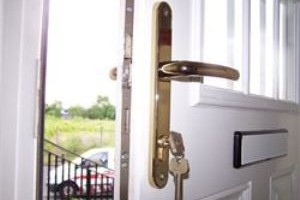
The lever, screws and pad spindles are located inside the lock case (which is located inside the door) therefore you cannot swap any handle with another without ensuring that they line up correctly. This is why it's essential to take accurate measurements before purchasing a new set of handles.
You'll need to calculate the PZ dimension (centre of the euro cylinder hole) and the Top Screw to Spindle distance. Then conservatory window repairs near me 'll need to pick the best uPVC handle for your home. To assist you, we've put together a handy door handle measurement guide that will help you identify what to look out for when measuring your uPVC door.
Lever/lever door handles are among the most popular kind of handle and come in a variety of styles and finishes. You can choose from graphite, matte black and oil-rubbed bronze handles that complement your decor. These handles are suitable for both commercial and domestic applications and can be found in a variety of uPVC door styles and sizes.
If you'd like your uPVC doors to be more secure then you'll need to choose an option with a locking mechanism. This will add an additional layer of security to the home, and is especially beneficial for doors that are external to the house. These types of handles come with a variety of locking options, including keyed alike or a dummy door lock.
Certain lever handle sets can be used on the left or right side of the door. Some lever handle sets are reversible, but others are not. You'll have to purchase them specifically for the orientation of your door. Before you purchase, we suggest that you verify the direction of any lever set. Certain brands, like Schlage provide only reversible handles for standard doors.
Un-sprung
As the name implies the door handles made of upvc do not have a spring cassette inside their back plate. The latches or multi-point locks use a force which returns their levers to its horizontal position after use. Over time, this can cause the handles to droop.
If there is an issue with your handle, it's likely that the spring in your internal cassette has worn out and requires replacement. The most effective way to test this is to remove the handle and turning the lever. If the handles droop this means they have lost their spring strength and it is essential to fit heavy duty latches/locks along with the replacement doors for conservatories to prevent this occurrence.
The majority of replacement handles are multipoint sprung with the spring cassette positioned in the back plate and holding the lever. They work with a standard or multi-point latch to ensure the door handles are returned to their horizontal position following use. This is a vital feature because it is difficult to operate handles that are not spring-loaded in the event that they do not return to their optimal position.
However, there are still some upvc handles on the market that do not have the spring cassette and therefore need to be fitted with heavy duty latches/locks. They are more prevalent in older upvc door handles that have not been updated in a long time.
Installing the handle is easy once you have selected the right type and the appropriate length for your upvc door. Follow the directions provided. Make sure that the screw holes are aligned on the handle's exterior with the holes that are already present in your euro profile cylinder. Then put in the spindle provided and tighten the screws. Repeat the procedure for the internal handle.
It is important to know that the cylinders used in these handle sets do not match those used in modern multi-point locks. They have smaller in size and will require a larger, bulb-shaped cylinder normally used on older multi-point doors. These cylinders can be purchased from your local locksmith, or on the internet. They are an additional cost to the new set of upvc handles and is only necessary if you have old multi-point locks fitted to your double glazed doors. These cylinders are included with the majority of upvc handles available since they are the most popular size. It is a good idea, but it is a good idea to keep spare cylinders in case they are lost or broken. This will help you avoid the hassle and cost of ordering an entire replacement set of handles in the future. You can also use the tool to repair your upvc handles if the spring in the handle cassette breaks or wears out. This could happen when the door handle is used with excessive force, particularly by older or young children.